
Different Materials of Slurry Pump Wet-End Parts and Their Applications
Release time:
Apr 03,2026
In slurry pumping systems, durability and efficiency are not determined solely by pump design — material selection plays a critical role.

In slurry pumping systems, durability and efficiency are not determined solely by pump design — material selection plays a critical role. The wet-end parts of a slurry pump, including the impeller, volute liner, throatbush, and frame plate liner insert, are directly exposed to abrasive, corrosive, and high-impact conditions.
Selecting the right material for these components is essential to ensure long service life, reduced maintenance costs, and stable operation.
1. Understanding the Challenges of Slurry Handling
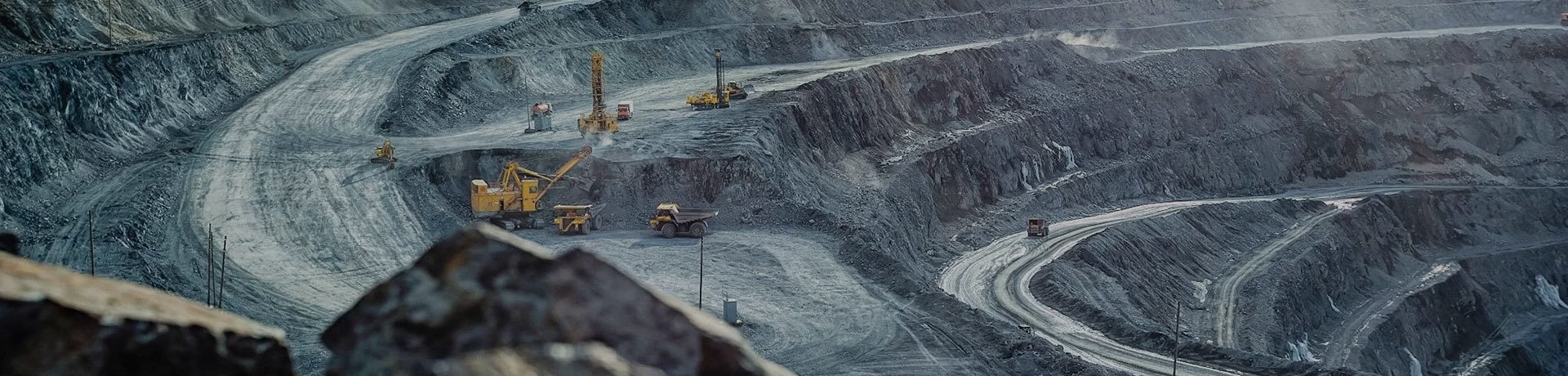
Slurry is a complex mixture of solid particles and liquid, often encountered in industries such as mining, dredging, metallurgy, and sand & gravel processing. Unlike clean water, slurry presents several challenges:
Severe abrasion caused by hard particles
Corrosion due to chemical composition or pH levels
Impact wear from large or sharp particles
Variable operating conditions, including concentration and flow rate
Because of these factors, no single material can meet all requirements. The key is to match the material to the application.
2. Common Materials for Wet-End Parts
2.1 High Chrome Alloy (Cr27 / Cr28)
High chrome white iron is one of the most widely used materials in slurry pumps.
Key Advantages:
Excellent hardness and wear resistance
Outstanding performance in highly abrasive environments
Long service life in handling coarse particles
Typical Applications:
Mining tailings, mineral processing, sand slurry, and other high-abrasion conditions.
2.2 Natural Rubber
Rubber-lined wet-end parts are ideal for specific slurry conditions where flexibility is required.
Key Advantages:
Superior resistance to fine-particle abrasion
Excellent corrosion resistance
Good elasticity, reducing damage from minor impacts
Limitations:
Not suitable for sharp or large particles
Limited temperature resistance
Typical Applications:
Fine slurry transport, chemical slurries, and applications with low to medium abrasion.
2.3 Polyurethane (PU)
Polyurethane combines the benefits of metal and rubber, making it a versatile material.
Key Advantages:
Good abrasion resistance
Higher elasticity than metal
Better resistance to certain chemicals compared to rubber
Typical Applications:
Moderate abrasion conditions, especially where flexibility and durability are both required.
2.4 Stainless Steel
Stainless steel is commonly used in applications where corrosion is the primary concern.
Key Advantages:
Strong resistance to chemical corrosion
Good mechanical strength
Suitable for acidic or alkaline environments
Typical Applications:
Chemical processing, wastewater treatment, and corrosive slurry handling.
2.5 Ceramic and Composite Materials
For extremely demanding conditions, ceramic or hybrid material designs are increasingly used.
Key Advantages:
Ultra-high hardness and wear resistance
Excellent performance in extreme abrasion environments
Extended service life compared to traditional materials
Typical Applications:
Highly abrasive slurries with fine, hard particles, such as in advanced mineral processing operations.
3. Key Factors in Material Selection
Choosing the correct material requires a clear understanding of operating conditions. Important factors include:
Particle size and shape (fine vs. coarse, smooth vs. sharp)
Slurry concentration (percentage of solids)
pH value and chemical composition
Temperature
Flow velocity and pump speed
A mismatch between material and working condition can lead to premature wear, frequent downtime, and increased operational costs.
4. Conclusion
There is no universal solution when it comes to slurry pump materials. Each option — from high chrome alloys to rubber, polyurethane, stainless steel, and ceramics — offers unique advantages for specific conditions.
By carefully evaluating your application and selecting the appropriate wet-end material, you can achieve:
Longer equipment lifespan
Reduced maintenance frequency
Improved operational efficiency
Lower total cost of ownership
Need Expert Advice?
Selecting the right material can be complex — but it doesn’t have to be.
Our team is ready to help you analyze your working conditions and recommend the most suitable solution for your slurry pump system.
👉 Contact us today to optimize your pump performance.
key word:
slurry pump,slurry pump wet end part,impeller,mineral processing
Related news
Contact Us