
Common Problems of Slurry Pumps and How to Maintain Them
Release time:
Apr 10,2026
Due to the harsh working conditions—handling abrasive, high-density, and sometimes corrosive slurries—these pumps are prone to wear and operational issues if not properly maintained.

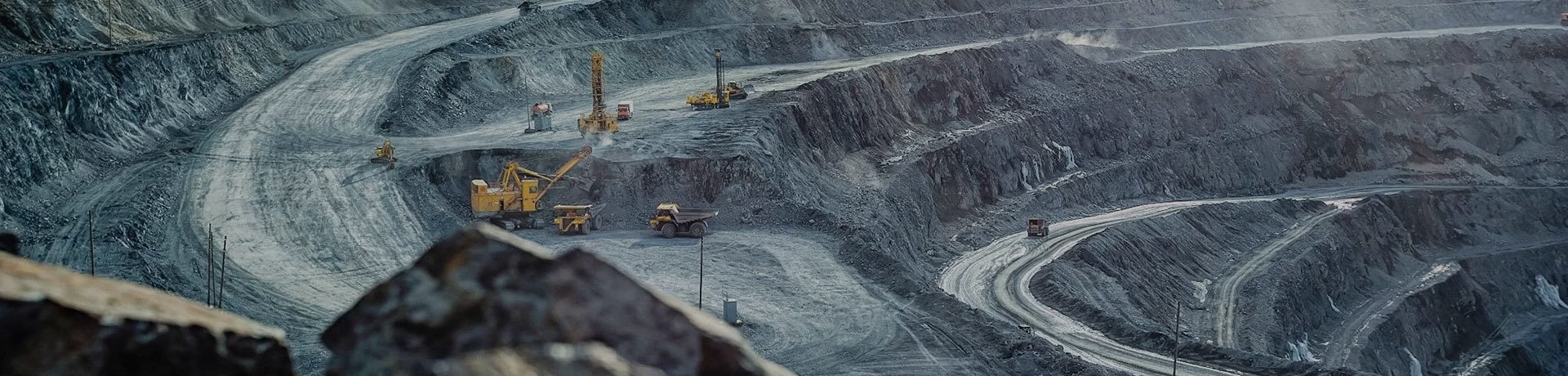
Slurry pumps play a critical role in industries such as mining, metallurgy, power generation, and dredging. Due to the harsh working conditions—handling abrasive, high-density, and sometimes corrosive slurries—these pumps are prone to wear and operational issues if not properly maintained.
Understanding the common problems and applying effective maintenance strategies can significantly extend pump life, reduce downtime, and improve overall efficiency.
1. Excessive Wear of Wet-End Parts
Problem:
One of the most common issues in slurry pumps is rapid wear of flow-contact components such as impellers, liners, and throatbushes. This is mainly caused by abrasive particles in the slurry.
Maintenance Solution:
Select appropriate materials (e.g., high chrome alloy, rubber, or polyurethane) based on working conditions
Regularly inspect wear parts and replace them before severe damage occurs
Ensure proper pump sizing and operating conditions to minimize unnecessary wear
2. Leakage from Shaft Seal
Problem:
Leakage is often caused by worn packing, mechanical seal failure, or improper seal water pressure.
Maintenance Solution:
Check and maintain proper seal water pressure
Replace packing or mechanical seals periodically
Ensure correct installation and alignment of sealing components
3. Pump Vibration and Noise
Problem:
Unusual vibration or noise can result from misalignment, cavitation, bearing failure, or imbalance of rotating parts.
Maintenance Solution:
Align the motor and pump accurately during installation
Monitor bearing condition and lubricate regularly
Avoid operating under low inlet pressure to prevent cavitation
Conduct routine vibration analysis
4. Reduced Pump Efficiency
Problem:
A drop in flow rate or head can be caused by internal wear, blockage, or incorrect operating conditions.
Maintenance Solution:
Clean the pump and pipelines to prevent clogging
Replace worn impellers and liners
Operate the pump within its designed performance range
5. Bearing Overheating
Problem:
Bearings may overheat due to poor lubrication, contamination, or excessive load.
Maintenance Solution:
Use proper lubricants and maintain correct lubrication intervals
Prevent slurry or dust from entering the bearing housing
Monitor temperature and replace damaged bearings promptly
6. Cavitation
Problem:
Cavitation occurs when the pressure at the pump inlet drops below the vapor pressure of the liquid, causing vapor bubbles that collapse and damage internal components.
Maintenance Solution:
Ensure sufficient Net Positive Suction Head (NPSH)
Reduce suction lift and optimize pipeline design
Avoid operating the pump at excessively high speeds
7. Blockage and Clogging
Problem:
Large particles or debris can block the pump, leading to reduced performance or shutdown.
Maintenance Solution:
Install proper screening systems
Regularly inspect and clean pipelines
Select pump models suitable for the particle size
Conclusion
Slurry pumps operate in some of the toughest industrial environments, making regular maintenance essential for reliable performance. By identifying common problems early and implementing preventive measures, operators can significantly reduce operational costs and extend equipment lifespan.
Choosing the right pump design, materials, and maintenance strategy is key to ensuring long-term efficiency and stability.
key word:
slurry pump,industrial pump,pump maintainence,mineral processing ,mining industry
Related news
Contact Us