

Product Overview
Packing
Key word:
packing
Slurry Pump
Gland Packing Seal
Warman Pump Replacement
Download Brochure:
Product details
1. Structural Design and Components
Part 111 packing is not a single molded piece, but rather a series of braided, flexible rings cut to size and installed in a stacked sequence inside the stuffing box. Its structural features include:
-
Square Cross-Section: The packing material is braided into a precise square profile (e.g., $1/2\text{-inch}$ or $5/8\text{-inch}$ square) to ensure it fills the stuffing box cavity uniformly when compressed.
-
Interlocking Braid: Advanced multi-lock braiding techniques weave various technical fibers together. This maximizes density, minimizes voids, and prevents the packing from unravelling under high pressure.
-
Sacrificial Porosity: The structure is intentionally designed to be slightly porous. When compressed by the gland follower, it must allow a very controlled, microscopic weep of water to pass through for essential cooling.
-
Layered Arrangement: Multiple rings of 111 packing are used in a single pump, typically split into two sections: a few rings placed behind the lantern ring to block slurry, and a few rings in front of it to control external leakage.
2. Primary Applications
The 111 packing is universally applied in gland-sealed slurry pumps across mining, dredging, chemical processing, and power generation. Its specific operational roles include:
-
Dynamic Fluid Containment: It forms a tight, conforming seal around the high-speed rotating shaft sleeve, preventing high-pressure slurry and flush water from spraying out of the pump.
-
Pressure Regulation: It acts as a pressure-drop zone. As water moves through the tight clearances of the compressed packing rings, its pressure safely dissipates.
-
Misalignment Absorption: Unlike rigid mechanical seals, flexible packing rings can absorb minor shaft deflections, vibrations, and runout caused by severe hydraulic surges without instantly failing.
3. Materials of Construction
Because packing is subject to continuous frictional heat, mechanical compression, and contact with abrasive or corrosive fluids, it is manufactured using high-performance technical fibers and lubricants:
| Material Type | Core Composition | Best Used For... / Benefits |
| PTFE (Teflon) / Graphite Braided | Synthetic PTFE fibers impregnated with graphite particles and break-in lubricants. | Excellent chemical resistance, low friction coefficient, and superb heat dissipation. Ideal for highly corrosive slurries. |
| Aramid / Kevlar® Braided | High-strength aramid fibers, often reinforced with lubricants. | Exceptional tensile strength and wear resistance. Used in severe abrasive applications where solid particles might penetrate the seal. |
| Carbon Fiber Braided | High-purity carbon yarns treated with graphite block lubricants. | Extreme temperature and high-pressure applications. Offers great thermal conductivity to keep the shaft sleeve cool. |
| Combination / Zebra Braid | Alternating corners or rows of Aramid (for strength) and PTFE/Graphite (for low friction). | Heavy-duty mining slurry pumps, offering a balance of extreme abrasion resistance and smooth running. |
Summary
The 111 packing is the ultimate line of defense in a packed-gland slurry pump. By combining advanced, low-friction braided fibers with structural flexibility, it manages the intense heat and friction generated by the spinning shaft. Because it is a sacrificial component, choosing the right material for part 111 and ensuring a proper, controlled leakage rate are the keys to protecting the shaft sleeve and maximizing pump uptime.
— Process Scenarios —

Ask For A Quick Quote
Related Products
Trust CNZKING for all your pumping needs.

Pump Casing for vertical Submersible Slurry Pump

Impeller for Vertical Submersible Slurry Pump


ZHP/ZHPP High Pressure Slurry Pumps

ZL(R) Series-Light Duty Slurry Pumps

ZG(H) Series-Sand Gravel Pumps

ZHF/ZMF/ZLF Series-Froth Pumps

MZ Series-Mill Underflow Pumps
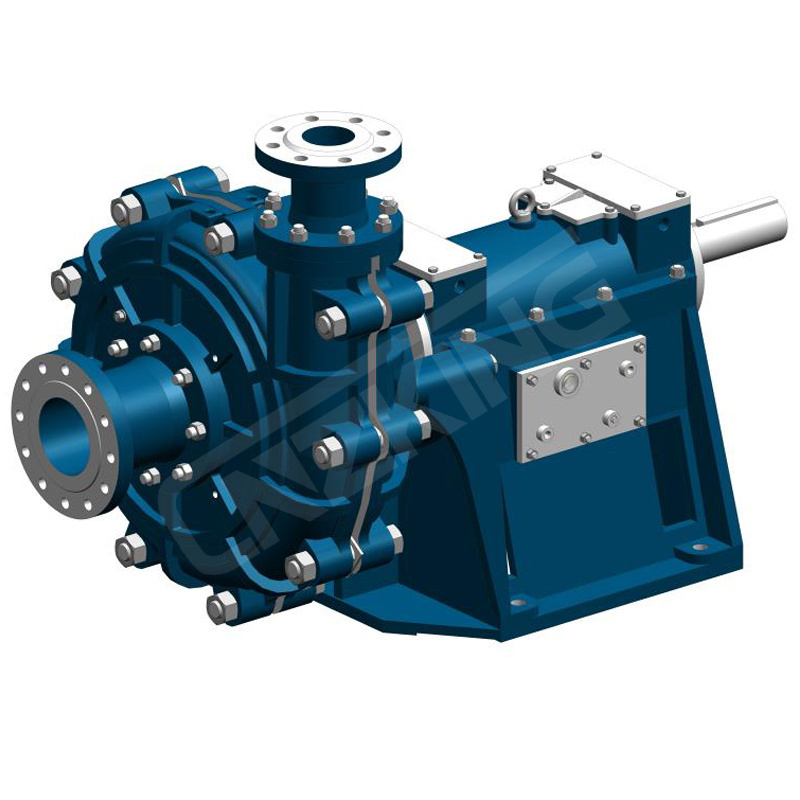


ZV(R) Series-Vertical Slurry Pumps

ZTC Series-Vertical Non-Clog Pumps

ZF Series-Vertical Tank Froth Pumps
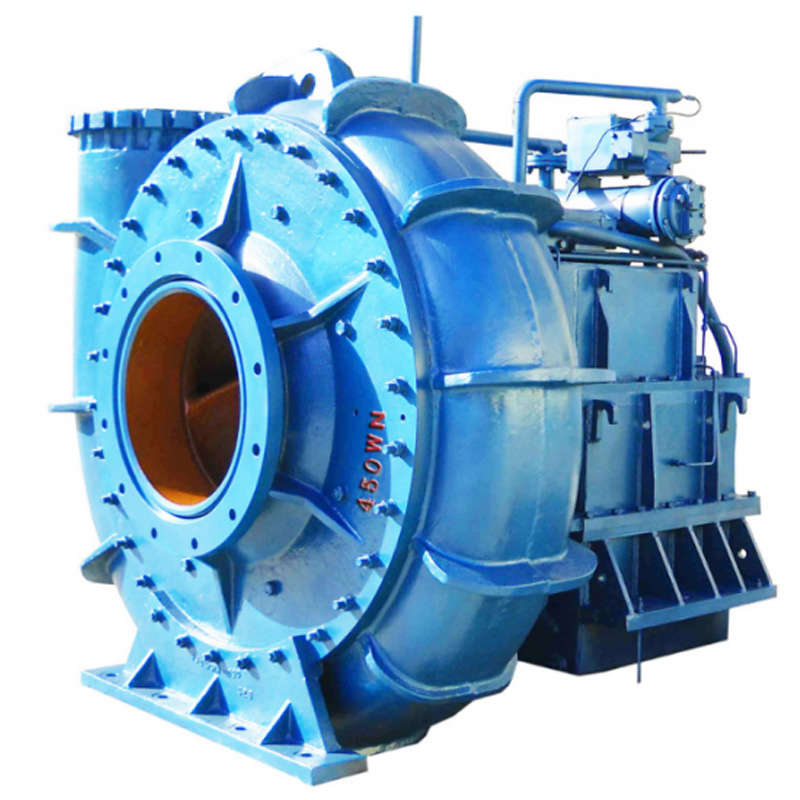
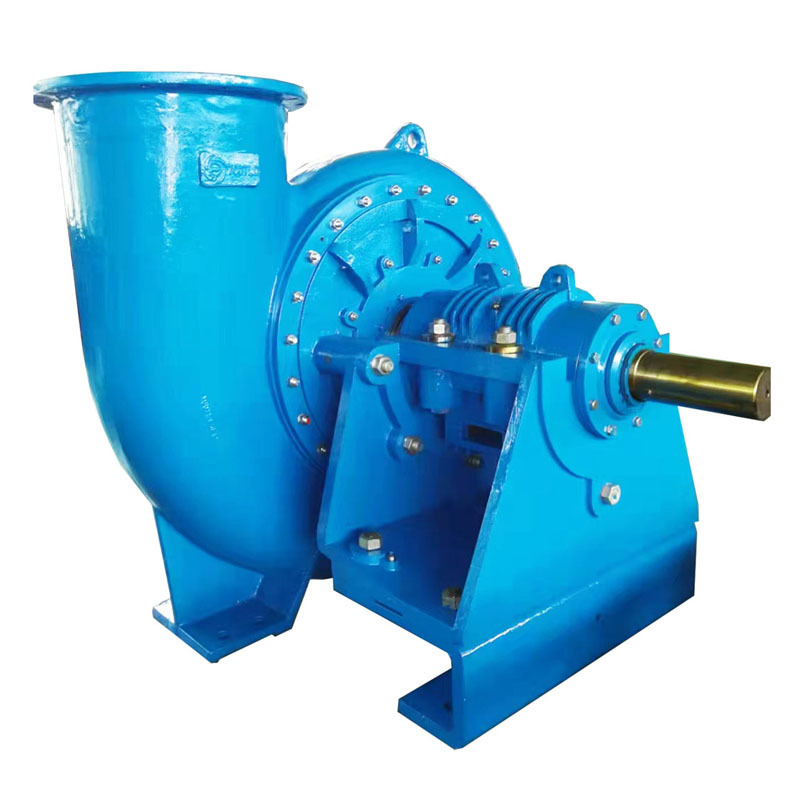


Rubber Lined Slurry Pump Parts

Rubber Lined Slurry Pump Parts
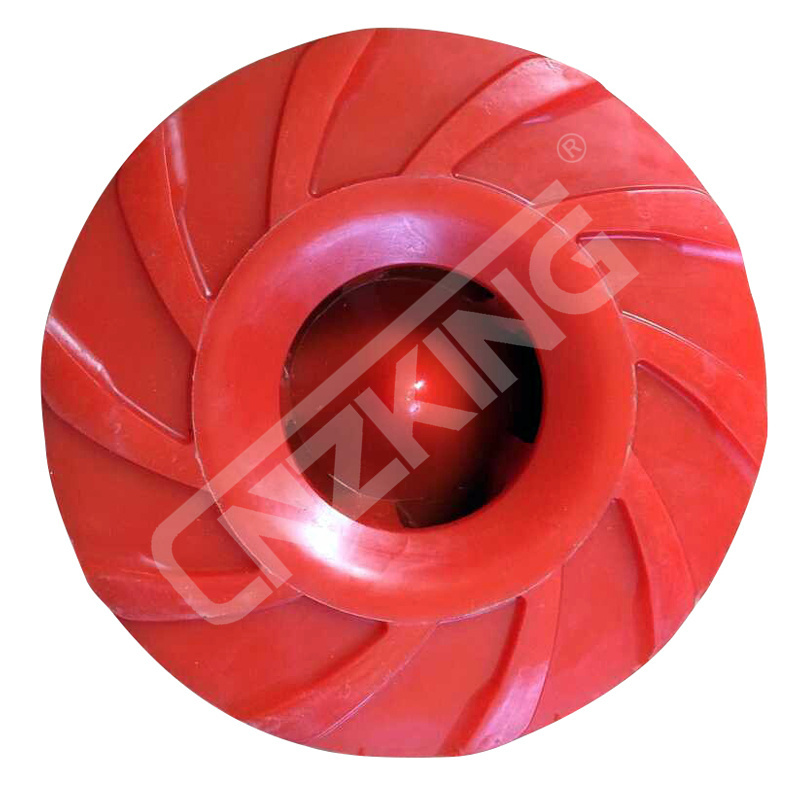
Polyurethane Slurry Pump Impeller
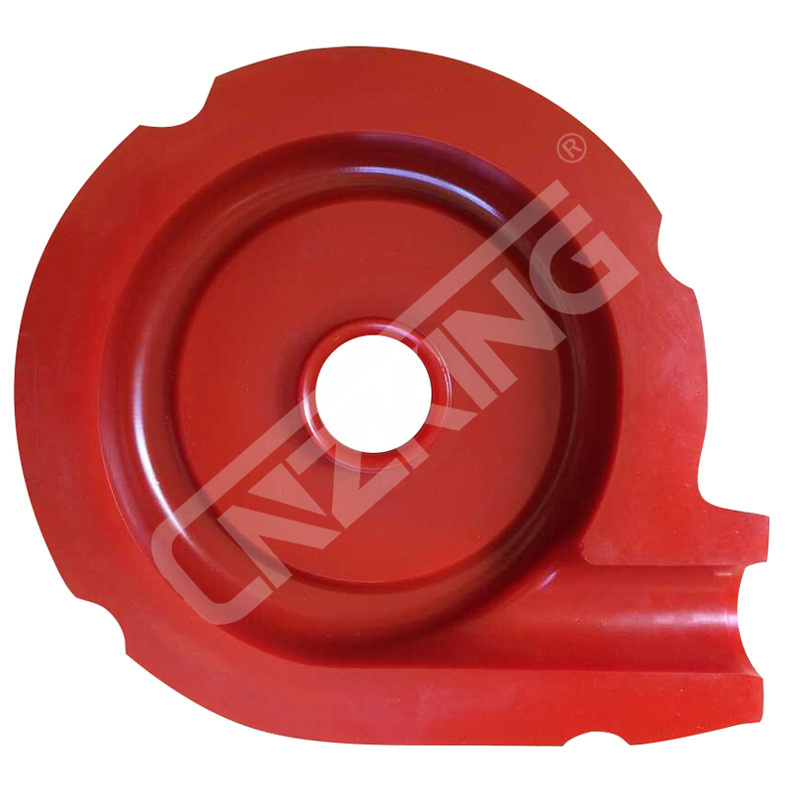
Polyurethane Slurry Pump Liner
Contact Us