

Product Overview
Bearing assembly
Key word:
Download Brochure:
Product details
1. Structural Design and Components
The bearing assembly is a self-contained, high-strength unit designed for easy maintenance and precise axial adjustment. Its primary components include:
-
The Shaft: A heavy-duty, large-diameter shaft engineered to minimize deflection and vibration. It transfers rotational energy from the motor to the impeller.
-
Bearings (Tapered Roller & Cylindrical): Typically equipped with heavy-duty roller bearings. Tapered roller bearings handle the severe axial (thrust) loads caused by hydraulic pressure, while cylindrical or deep-groove bearings manage the high radial loads.
-
Bearing Housing: A rigid, cast-iron cylindrical housing that encloses the bearings, keeping them perfectly aligned and protected from external contaminants.
-
Seals and Labrinths: High-performance piston ring seals, labyrinth seals, or grease-purged end caps prevent the ingress of abrasive slurry or moisture into the bearing cavity, while simultaneously preventing lubricant leakage.
-
Adjustment Mechanism: Slurry pumps feature an external adjustment screw or mechanism that allows operators to shift the entire bearing assembly forward or backward. This is crucial for maintaining the precise clearance between the impeller and the throatbush as components wear down.
2. Primary Applications
The bearing assembly is critical in any industry where slurry pumps are deployed. Because it absorbs the brutal hydraulic forces of fluid transport, it is indispensable in:
-
Mining and Mineral Processing: Supporting pumps that move copper, iron ore, gold, and coal tailings, where heavy rock particles create massive unbalanced radial forces.
-
Sand and Gravel Dredging: Ensuring stable rotation when pumping large rocks, gravel, and highly abrasive sand mixtures from riverbeds or marine environments.
-
Power Generation: Used in Flue Gas Desulfurization (FGD) systems and bottom ash disposal, where reliability is critical to prevent plant downtime.
-
Chemical and Cement Industries: Supporting the transfer of thick chemical slurries, lime mud, and raw cement matrix.
3. Materials of Construction
Because the assembly must endure high torque, heavy loads, and potentially corrosive environments, the materials are selected for maximum fatigue strength and durability:
| Component | Standard Material | Purpose / Benefit |
| Shaft | High-tensile carbon steel (e.g., 40Cr, 45# Steel, or Alloy Steel) | Provides exceptional torsional strength and resists bending under extreme hydraulic loads. |
| Bearing Housing | Ductile Iron (Nodular Iron) or High-Strength Cast Iron | Absorbs vibration, resists mechanical shock, and provides a rigid cage for alignment. |
| Bearings | Premium Bearing Steel (e.g., GCr15 / Chrome Steel) | Ensures high fatigue life, low friction, and the ability to withstand intense radial and axial forces. |
| Shaft Sleeve | Hardened Stainless Steel or Ceramic-coated Alloys | Protects the main shaft from wear and corrosion at the sealing points. |
| Seals / O-Rings | Nitrile Rubber (NBR), Viton, or Polyurethane | Offers excellent resistance to oils, greases, heat, and chemical degradation. |
Summary
Ultimately, the bearing assembly is the unsung hero of slurry pump longevity. By combining a rigid structural design, high-capacity roller bearings, and premium-grade steel alloys, it effectively isolates the motor from the violent forces of slurry transport. Proper maintenance, lubrication, and axial adjustment of this assembly are the most critical factors in extending the overall service life of the entire pumping system.
— Process Scenarios —

Ask For A Quick Quote
Related Products
Trust CNZKING for all your pumping needs.


ZHP/ZHPP High Pressure Slurry Pumps

ZL(R) Series-Light Duty Slurry Pumps

ZG(H) Series-Sand Gravel Pumps

ZHF/ZMF/ZLF Series-Froth Pumps

MZ Series-Mill Underflow Pumps
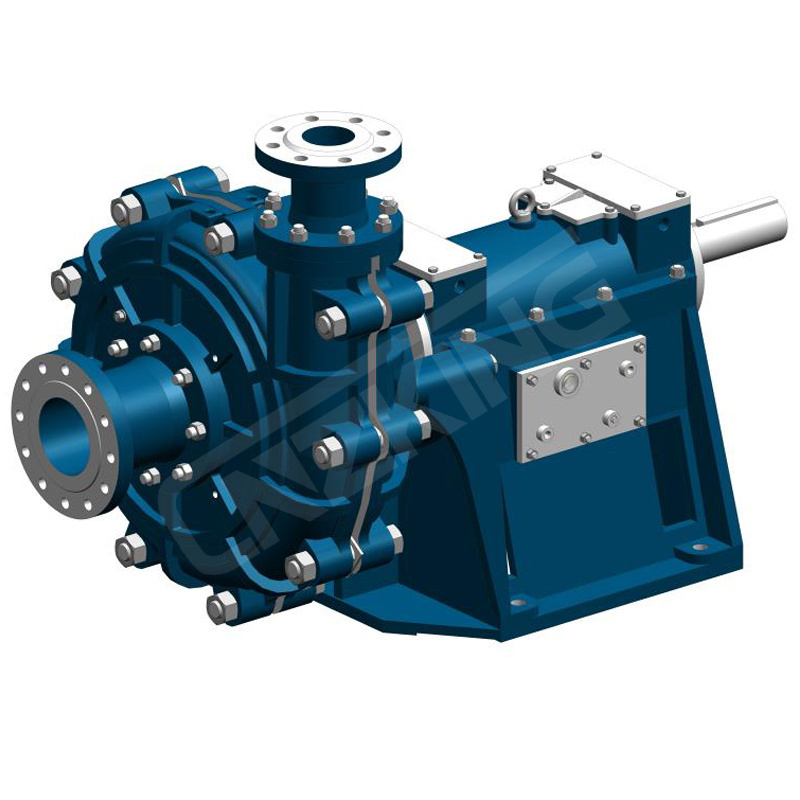


ZV(R) Series-Vertical Slurry Pumps

ZTC Series-Vertical Non-Clog Pumps

ZF Series-Vertical Tank Froth Pumps
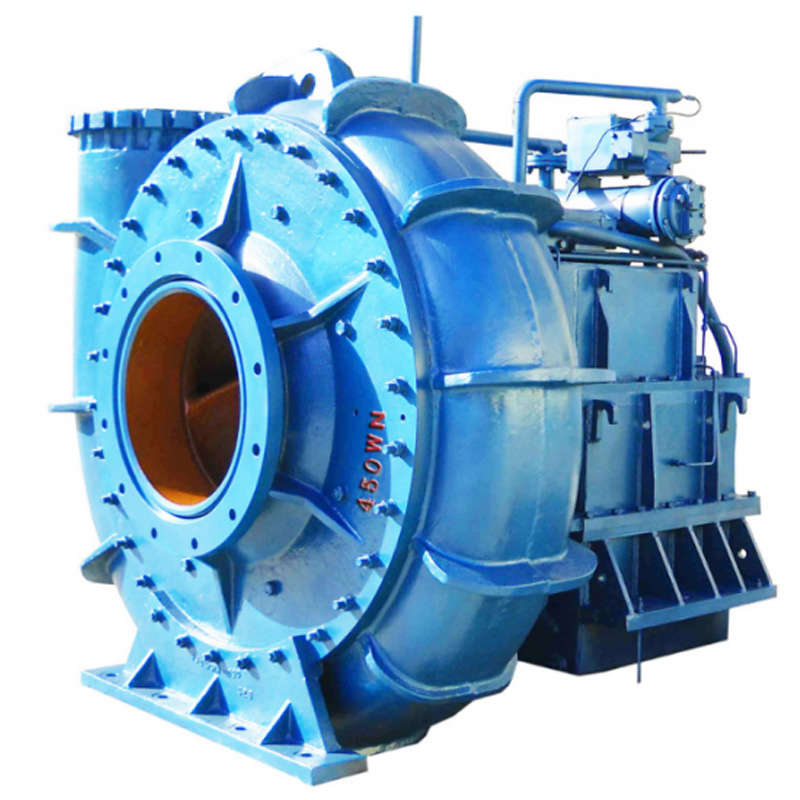
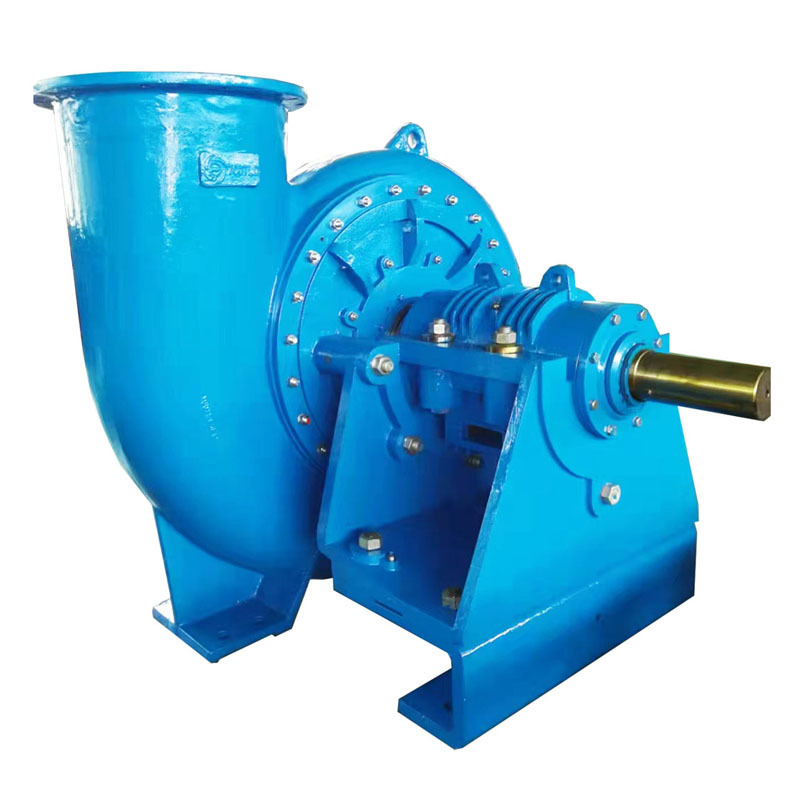


Rubber Lined Slurry Pump Parts

Rubber Lined Slurry Pump Parts
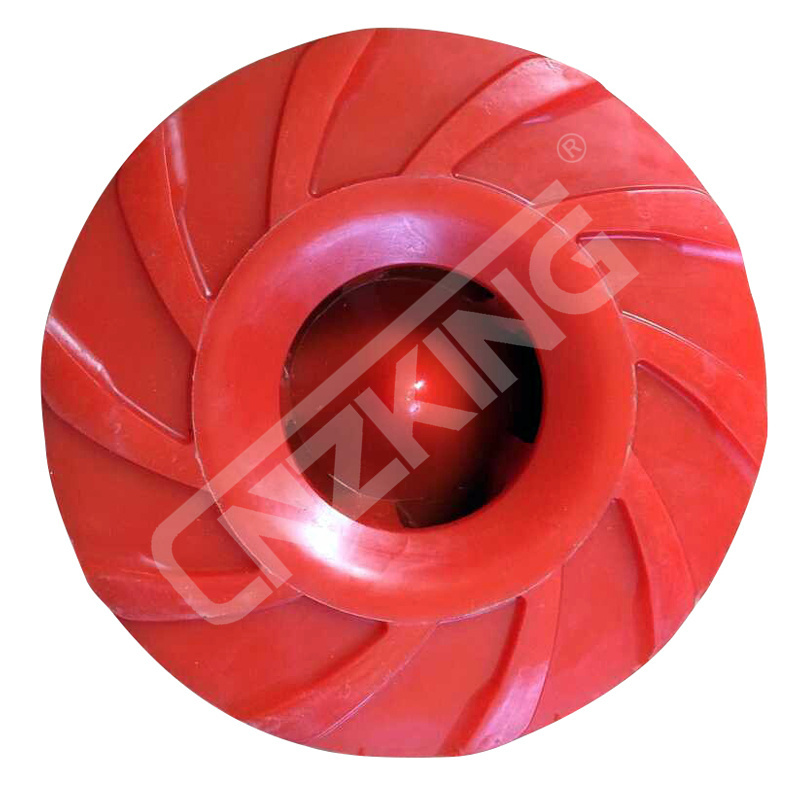
Polyurethane Slurry Pump Impeller
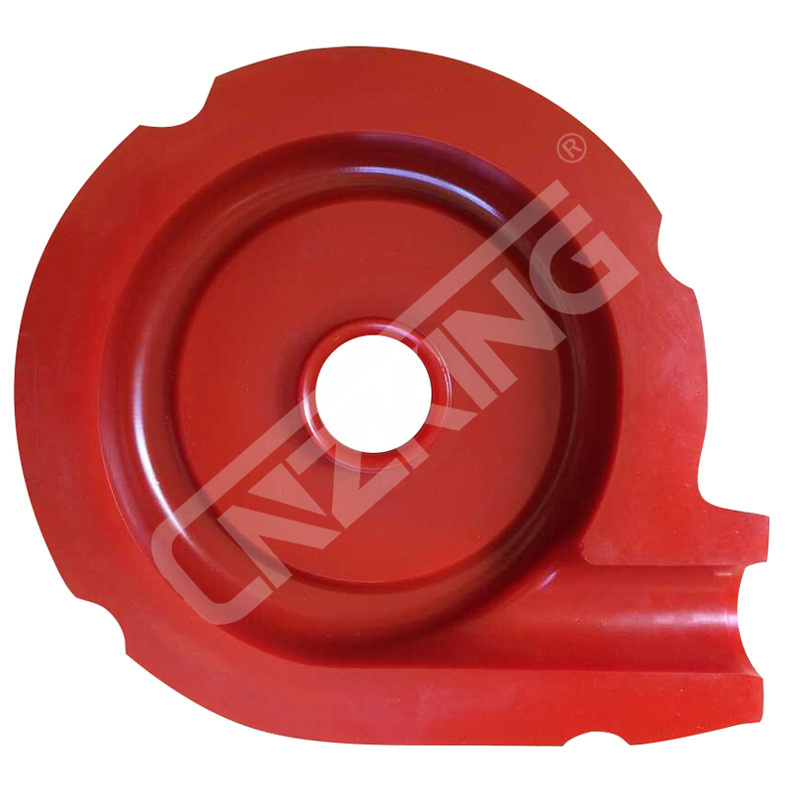
Polyurethane Slurry Pump Liner

Vertical Slurry Pump Cover Plate

Pump Casing for vertical Submersible Slurry Pump

Impeller for Vertical Submersible Slurry Pump


Expeller Expeller Ring of Slurry Pump

Contact Us