

Product Overview
Shaft Sleeve
Key word:
Download Brochure:
Product details
I. Core Functions
1. Main Shaft Protection (Wear and Corrosion Resistance): Isolates the pump shaft from abrasive, acidic, or alkaline slurry media and prevents direct friction between the shaft and packing or sealing components. It fundamentally prevents shaft scoring, rusting, wear, and deformation, eliminating the need for frequent, costly shaft replacements and drastically lowering equipment maintenance costs.
2. Sealing Support (Leakage Prevention): Works in conjunction with packing seals and mechanical seal assemblies to provide a precise sealing interface. It effectively prevents slurry leakage and air ingress, maintains hydraulic efficiency, and avoids material loss and site contamination caused by leaks or spills.
3. Positioning and Guidance (Stable Operation): Precisely constrains the radial position of the pump shaft and optimizes shaft alignment. This reduces radial runout, vibration, and noise during operation, alleviates bearing loads, and enhances stability and balance during high-speed operation.
4. Cost Efficiency and Ease of Maintenance: As a low-cost, replaceable wear part, the shaft sleeve offers a significant advantage over replacing the entire main shaft. Replacing a worn sleeve instead of the shaft minimizes downtime and maintenance costs, meeting the demands of industrial equipment requiring frequent maintenance. II. Product Structure
The slurry pump shaft sleeve features an integrated stepped cylindrical design. Its overall structure is compact and offers high coaxial precision, making it compatible with various pump sealing chamber configurations. Free from complex multi-piece assemblies, it is easy to install and remove. The structure comprises three core zones:
1. **Main Mating Section:** This is the sleeve's primary working area. The surface undergoes precision grinding and polishing to achieve high smoothness and precise roundness. It fits tightly against packing or mechanical seals, serving as the main wear-resistant and sealing surface to ensure a tight seal and smooth operation.
2. **Locating Step Section:** An integrated locating step is designed at one end. During assembly, it abuts the end faces of the wear plate and seal housing, enabling precise axial positioning. This prevents axial shifting or misalignment during operation, ensuring overall assembly accuracy.
3. **Inner Bore Section:** The inner bore is precision-machined to form a clearance fit with the pump shaft. The inner wall is smooth and burr-free, facilitating easy assembly while preventing wear caused by relative sliding. A slight clearance is maintained to accommodate thermal expansion and contraction, preventing the equipment from seizing during high-temperature operation.
Standard part codes for industry-standard Warman-series shaft sleeves typically end in "075" or "076." Common models include B075, C075, CH075, D075, E075, and G075, allowing for precise matching with the structures of various slurry pumps and desulfurization pumps.
III. Mainstream Materials and Applicable Operating Conditions
The shaft sleeve material directly determines wear and corrosion resistance. Various specialized materials are used to suit different media and operating conditions. Notably, C22, C23, and ceramic are core materials specific to Warman pumps; these are complemented by conventional alloy materials to meet the requirements of all operating scenarios:
1. C22 Material
A highly corrosion-resistant duplex stainless steel. It offers excellent resistance to acid and alkali corrosion and is highly resistant to attack by chloride ions, weak acids, and weak alkalis. It also possesses moderate hardness and good toughness, making it resistant to cracking and deformation. Suitable Applications: Highly corrosive, low-abrasion environments such as power plant desulfurization slurry, corrosive chemical wastewater, seawater transport, and salt mine media; a primary material choice for desulfurization and chemical pump shaft sleeves.
2. C23 Material
An optimized formulation based on C22, offering enhanced wear resistance and protection against particle erosion. It balances high strength, corrosion resistance, and wear resistance with superior toughness, effectively withstanding fine particle erosion while resisting scratching and pitting.
Suitable Applications: Combined corrosion and mild abrasion environments, such as corrosive slurries containing fine silt, wet desulfurization circulation pumps, and the transport of weakly acidic metallurgical slag slurries; highly versatile.
3. Ceramic-Coated Material
Features a high-quality stainless steel substrate with a high-temperature ceramic coating. The surface offers extreme hardness and a very low coefficient of friction, providing four key advantages: superior wear resistance, strong corrosion resistance, scale resistance, and high-temperature tolerance. The smooth, dense surface prevents material adhesion and associated wear.
Suitable Applications: Demanding environments involving high abrasion, high purity requirements, and high temperatures—such as quartz sand processing, high-hardness tailings transport, high-temperature desulfurization media, and precision fluid transport. Service life is 3–5 times that of standard alloy shaft sleeves.
4. 3Cr13/4Cr13 Stainless Steel
Standard alloy material offering high hardness, stable wear resistance, high machining precision, and excellent cost-effectiveness. It provides basic rust and mild corrosion resistance, making it suitable for the vast majority of standard industrial applications.
Suitable Applications: Standard operating conditions involving moderate abrasion but no strong corrosion, such as coal washing plants, general mine tailings transport, and sand/gravel transport; a standard, general-purpose material.
5. 304/316 Stainless Steel
304 focuses on basic rust and corrosion resistance, offering good toughness and dimensional stability; 316 features added molybdenum, significantly enhancing resistance to acids, alkalis, and chloride ion corrosion. Applicable Operating Conditions: Suitable for transporting clean water, mildly corrosive wastewater, and clean fluids with low particulate content; ideal for light-duty applications requiring minimal wear resistance but prioritizing rust and corrosion protection.
IV. Installation Precautions
1. Pre-assembly Preparation: Thoroughly clean the pump shaft surface, the inner bore of the shaft sleeve, and the seal chamber to remove impurities, rust, and burrs, ensuring mating surfaces are smooth and clean. Inspect the pump shaft for bending, scratches, or wear defects; verify the model, material, and dimensions of new shaft sleeves to ensure compatibility with the pump type.
2. Precision Assembly: Apply force evenly during assembly using heat-fitting or gentle press-fitting methods. Do not strike the shaft sleeve surface directly with a hammer to avoid deformation, edge chipping, or coating damage (especially with ceramic materials). Ensure the shaft sleeve sits flush against the axial positioning surface with no misalignment, looseness, or gaps.
3. Precise Clearance Control: Strictly control the fit clearance between the shaft sleeve and the pump shaft. Excessive tightness can lead to high-temperature seizure, while excessive clearance may cause axial shifting, shaft wear, and seal failure. After assembly, manually rotate the pump shaft to confirm smooth operation without binding, abnormal noise, or radial runout.
4. Seal Component Compatibility: After installing the shaft sleeve, properly arrange associated components such as packing, water seal rings, sealing rings, and packing glands. Ensure the packing makes uniform contact with the shaft sleeve surface and the gland is tightened appropriately to prevent uneven wear on the sleeve and maintain the integrity of the sealing assembly.
5. Operating Condition Verification: Confirm the correct shaft sleeve material selection based on the abrasive and corrosive properties of the pumped medium. Standard stainless steel is strictly prohibited for highly corrosive conditions; ceramic or C23 wear-resistant materials are preferred for high-abrasion conditions. V. Routine Maintenance and Care
1. **Regular Inspections:** During operation, periodically monitor the pump seal area for water seepage, slurry leakage, or spraying; listen for changes in operating noise or vibration. Every 1–3 months, shut down the equipment to inspect the shaft sleeve for wear, corrosion, and scratches, paying particular attention to the integrity of the sealing surface.
2. **Timely Replacement of Consumables:** Promptly replace the shaft sleeve if it exhibits significant grooving, excessive wear, surface pitting, coating delamination, or looseness/axial shifting. Do not operate the equipment with defective parts; this prevents wear from extending to the pump shaft, which could lead to scrapping the main shaft or causing total equipment failure.
3. **Standardized Start-Stop Procedures:** Before startup, the pump must be fully primed with the medium and completely vented of air; dry running is strictly prohibited. Dry running causes high-speed dry friction between the shaft sleeve and packing, rapidly burning or scoring the sleeve's working surface and drastically shortening its service life.
4. **Optimized Operating Conditions:** Avoid prolonged pump operation under overload or off-design conditions. Minimize sudden spikes in slurry concentration and impacts from large particles to reduce erosion and wear on the shaft sleeve. When transporting media with high impurity content, periodically clear debris from the pump chamber to reduce wear caused by hard particles.
5. **Shutdown Protection and Care:** During extended shutdowns, completely drain residual slurry from the pump. Flush the shaft sleeve and pump chamber surfaces with clean water and wipe them dry to prevent rust from moisture or corrosion from crystallized media. Store spare shaft sleeves in a dry, ventilated area with dust and rust protection, ensuring the working surfaces are shielded from impact damage.
6. **Synchronized Maintenance of Related Components:** When maintaining the shaft sleeve, simultaneously inspect the condition of bearings, seals, and water seal rings. Bearing binding or seal aging can exacerbate uneven wear and vibration-induced wear on the shaft sleeve; replace worn parts concurrently to ensure the stable operation of the entire shaft assembly.

— Process Scenarios —

Ask For A Quick Quote
Related Products
Trust CNZKING for all your pumping needs.


ZHP/ZHPP High Pressure Slurry Pumps

ZL(R) Series-Light Duty Slurry Pumps

ZG(H) Series-Sand Gravel Pumps

ZHF/ZMF/ZLF Series-Froth Pumps

MZ Series-Mill Underflow Pumps
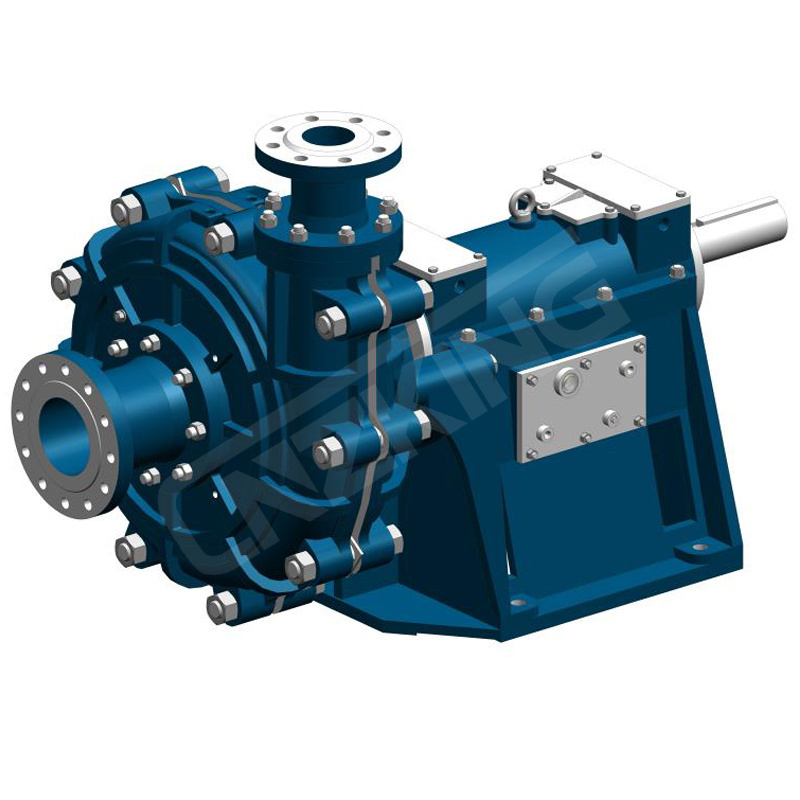


ZV(R) Series-Vertical Slurry Pumps

ZTC Series-Vertical Non-Clog Pumps

ZF Series-Vertical Tank Froth Pumps
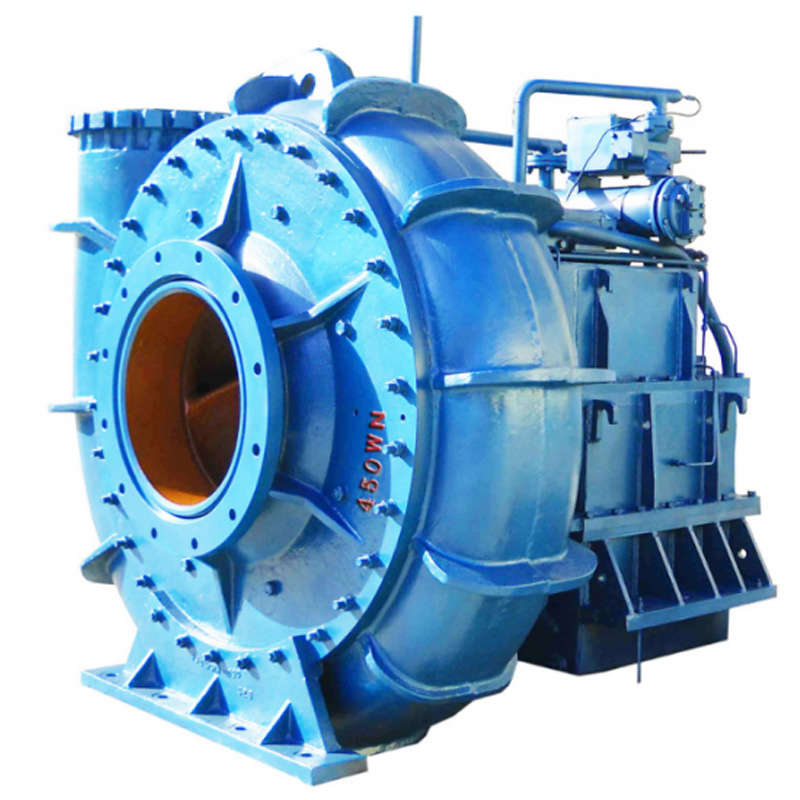
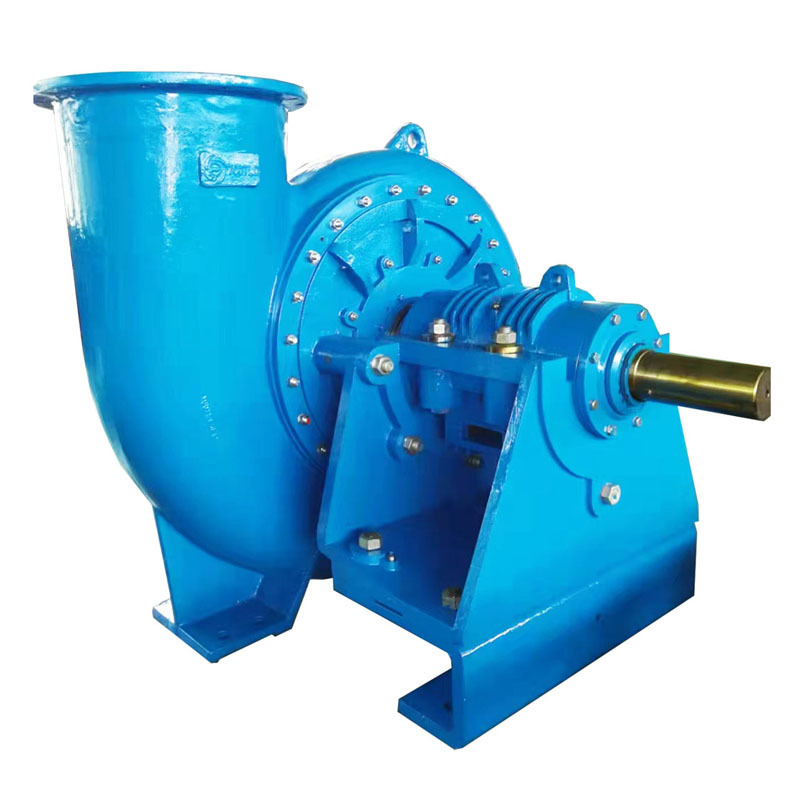


Rubber Lined Slurry Pump Parts

Rubber Lined Slurry Pump Parts
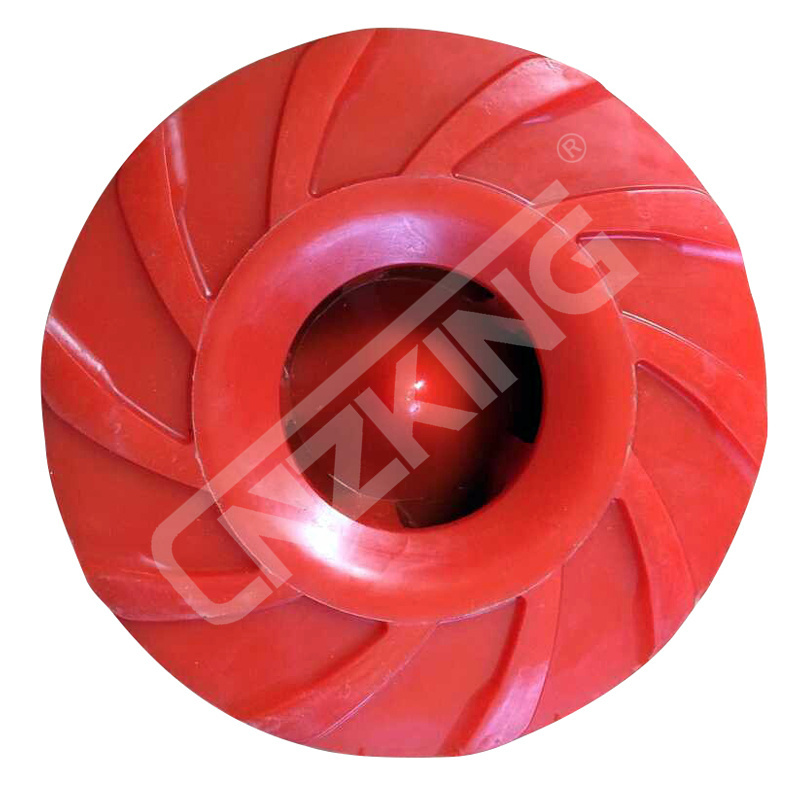
Polyurethane Slurry Pump Impeller
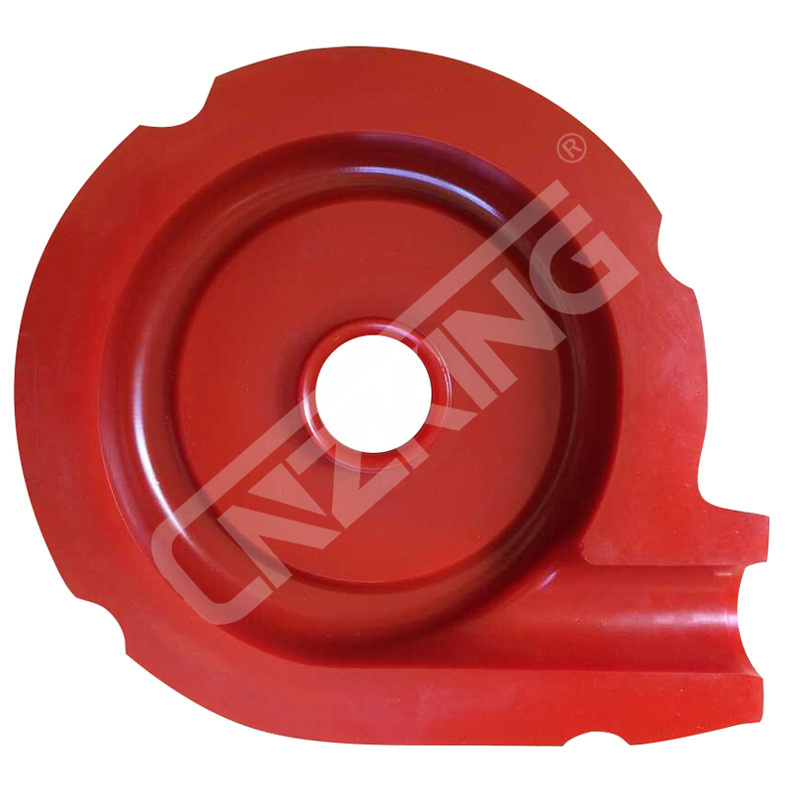
Polyurethane Slurry Pump Liner

Vertical Slurry Pump Cover Plate

Pump Casing for vertical Submersible Slurry Pump

Impeller for Vertical Submersible Slurry Pump


Expeller Expeller Ring of Slurry Pump

Contact Us